Unified Campus: Empowering Philips' Innovative Workforce
PHILIPS INNOVATION CAMPUS
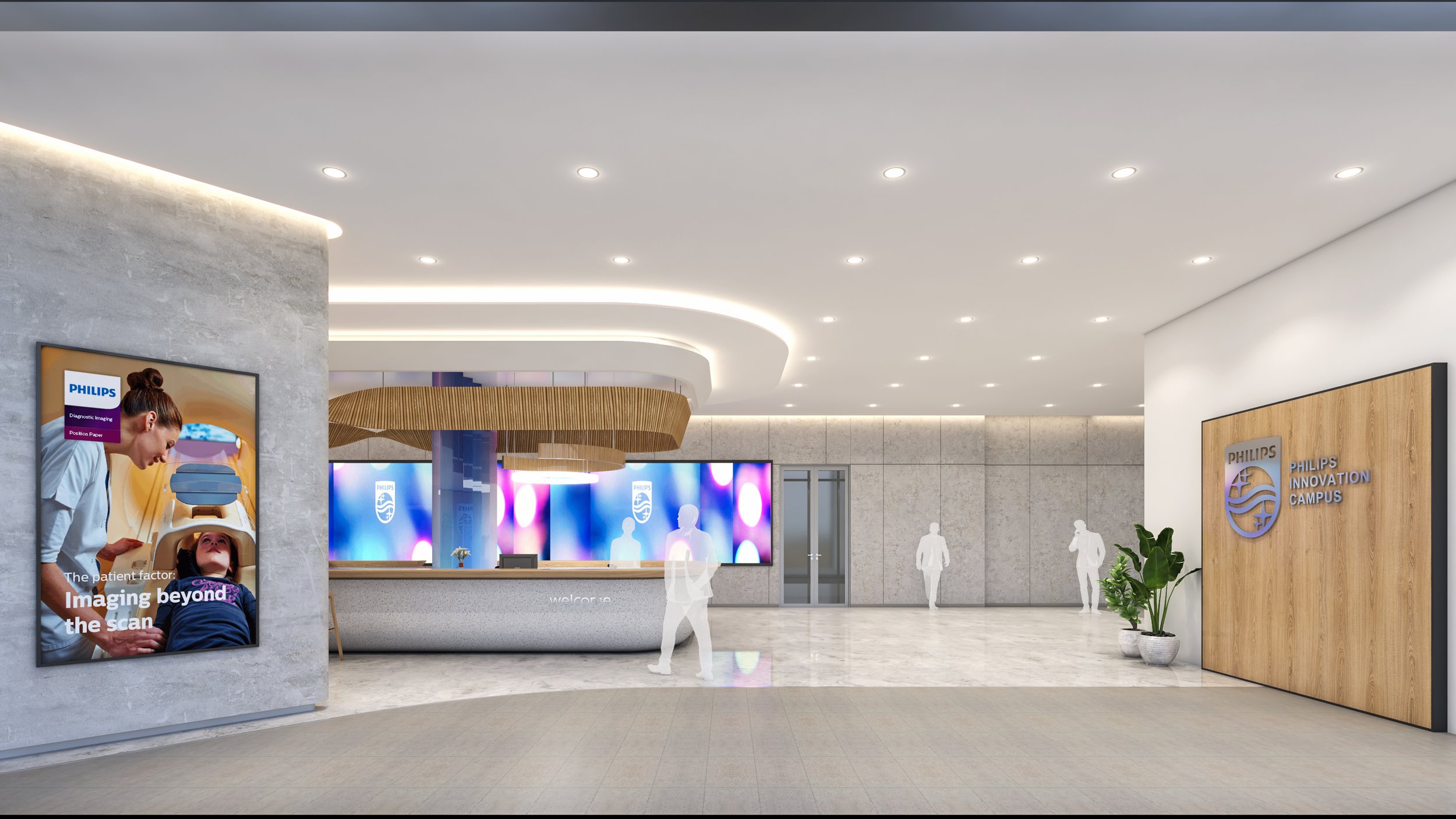
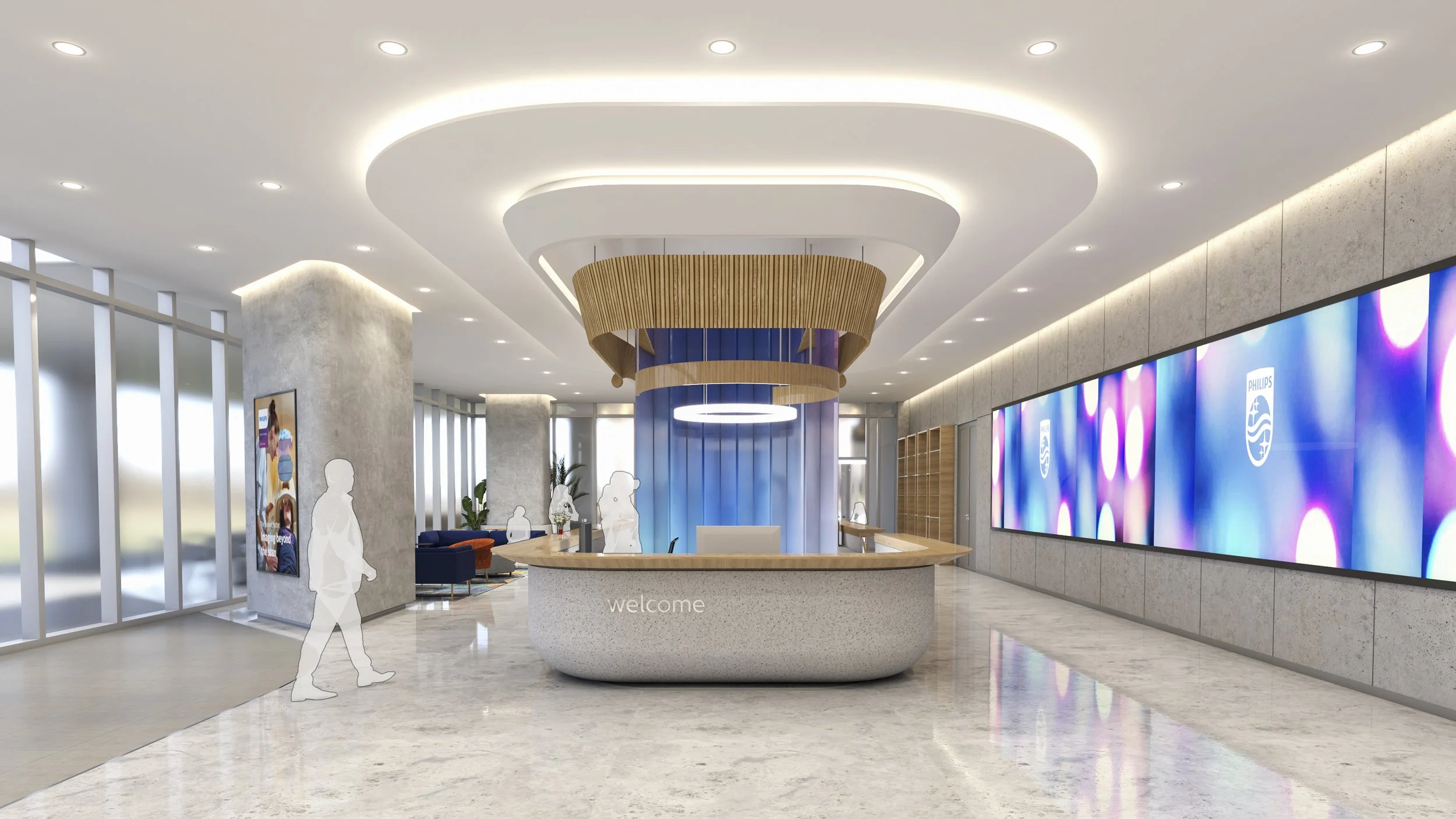
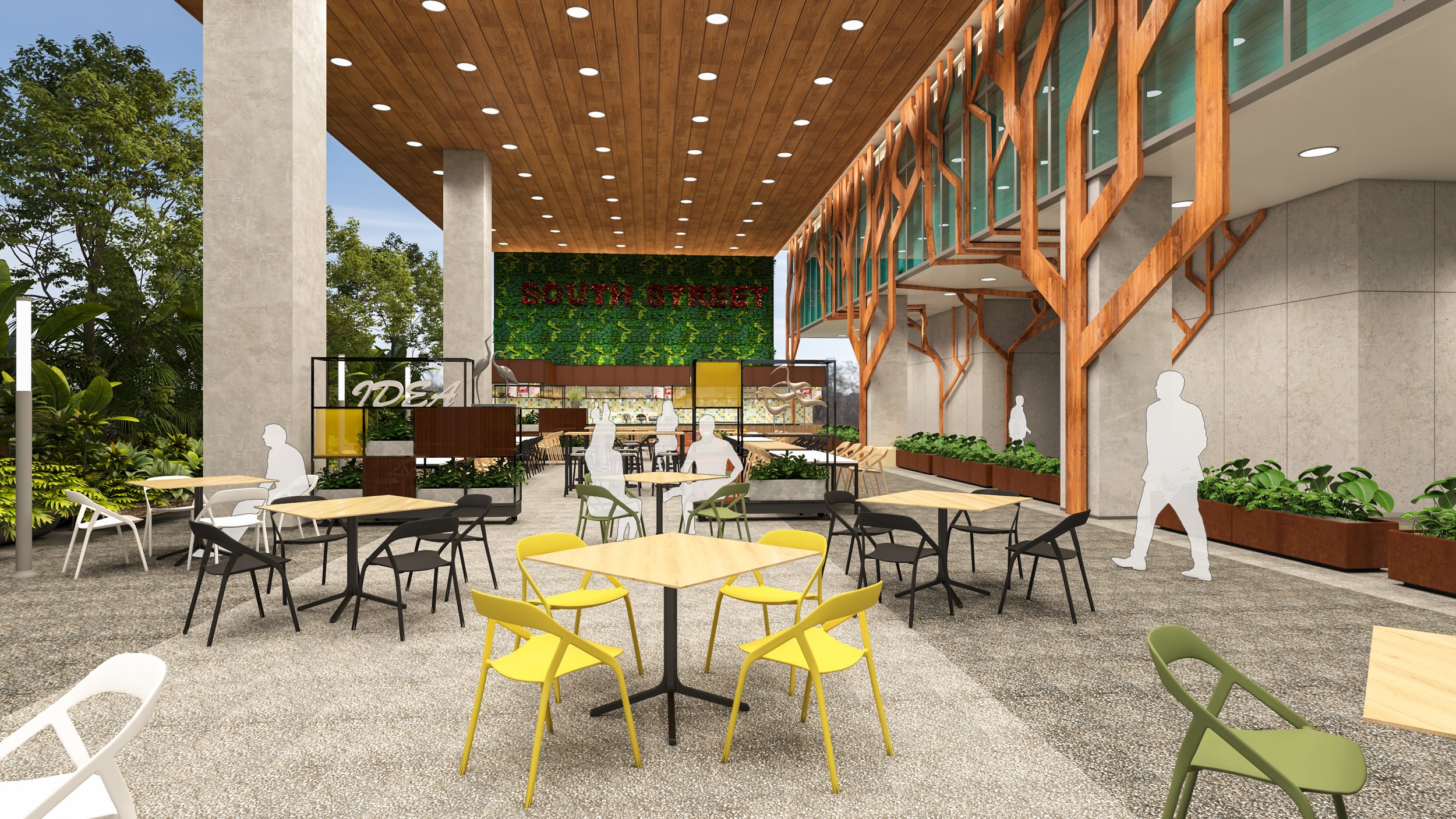
As Senior Strategist and Change Management Specialist, I co-led the workplace strategy and change management for the Philips Innovation Campus (PIC) Project PRANA, consolidating Philips’ facilities spread across three buildings into one strategic new workplace in Bengaluru City, implementing Philips’ Global Workplace Innovation Standards (WPI). This strategic consulting engagement focused on creating a connected, balanced, and flowing experiential campus that not only meets evolving business objectives and supports hybrid work models but also prioritizes employee experience, collaboration, and well-being.
PROJECT DETAILS
Project Experience: July 2019 - November 2022, Bengaluru
My Role: Senior Strategist, Change Management Specialist
Contribution: Workplace Strategy, Change Management, Workplace Planning
Team: Gensler - Shravan Bendapudi, Arati Yagnik
Project Copyright Gensler. All rights reserved.
CHALLENGE
Philips was operating its Bengaluru Innovation Campus (PIC) across three separate buildings. This fragmented setup led to inefficiencies, hindered seamless collaboration, and did not fully align with modern workplace demands or Philips' Global Workplace Innovation (WPI) Standards. The existing workspace was designed around individual ownership and traditional work patterns, which limited flexibility and cross-functional synergy, posing a challenge to fostering a dynamic and innovative work environment.
Opportunity
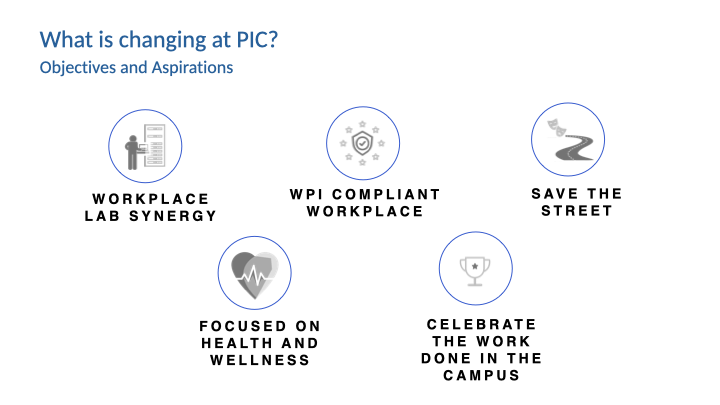
Recognizing these challenges, Philips saw an opportunity to consolidate its PIC facilities into a single, strategic, state-of-the-art campus in Bengaluru. This move presented the chance to:
Implement advanced WPI Standards.
Create a future-ready workspace designed to enhance collaboration, innovation, and employee well-being.
Support a hybrid working model, offering greater flexibility.
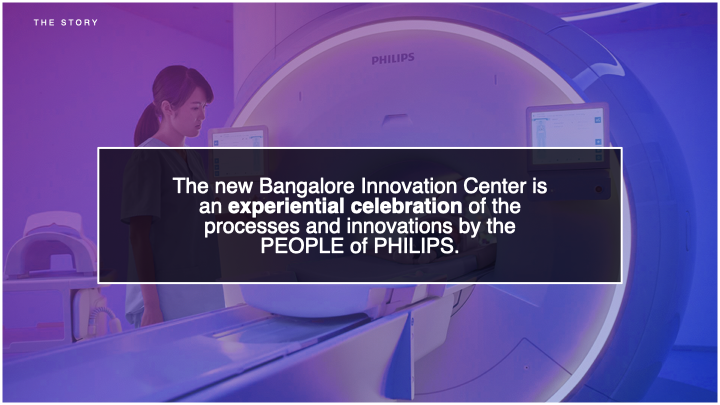
Design an "experiential" space that celebrates Philips' processes and innovations, reinforcing its mission to positively impact lives.
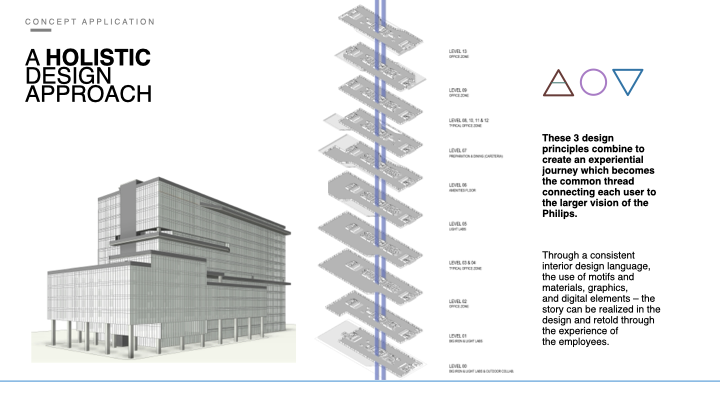
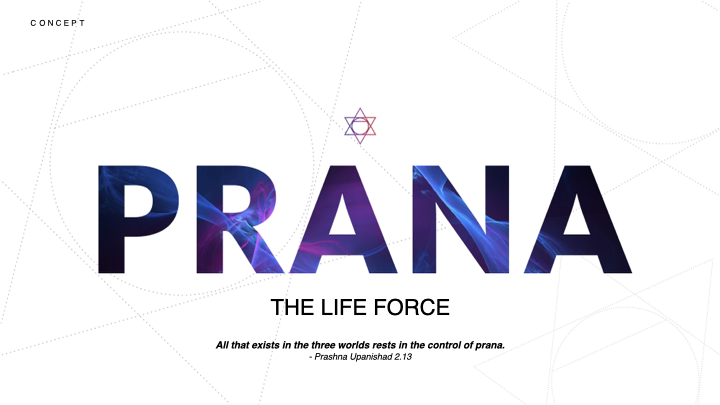
Establish a campus that embodies "Prana" (life force) principles of Connectedness, Balance, and Flow, thereby boosting productivity and employee engagement.
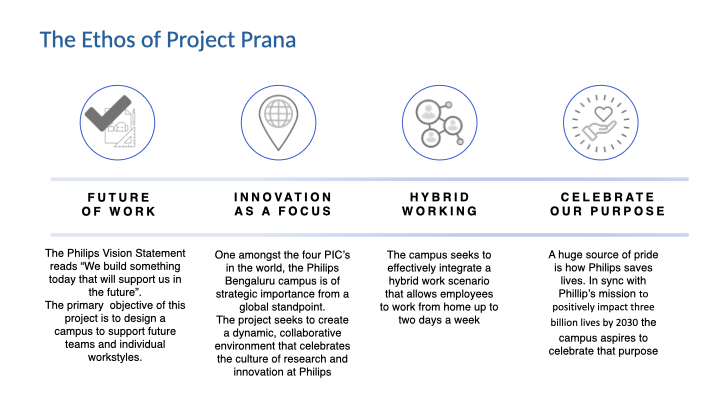
Ethos and Vision: The project is guided by the ethos of "Project Prana," developed by Gensler, meaning "The Life Force," aiming for an "experiential celebration" of Philips' innovations. Its core pillars are:
Future of Work: Designing a campus to support future teams and individual workstyles.
Innovation as a Focus: Creating a dynamic, collaborative environment that celebrates research and innovation.
Hybrid Working: Integrating a hybrid work scenario allowing employees to work from home up to two days a week.
Celebrate Our Purpose: Aligning with Philips' mission to positively impact three billion lives by 2030.
Action
Workplace Changes: Current vs. Future - The transition involves a shift from:
Current: Workspace built for "what Philips India is," individual ownership of space, assigned seats with pedestals, enclosed formal meeting spaces, work only at the desk, organic lab growth, floor pantry.
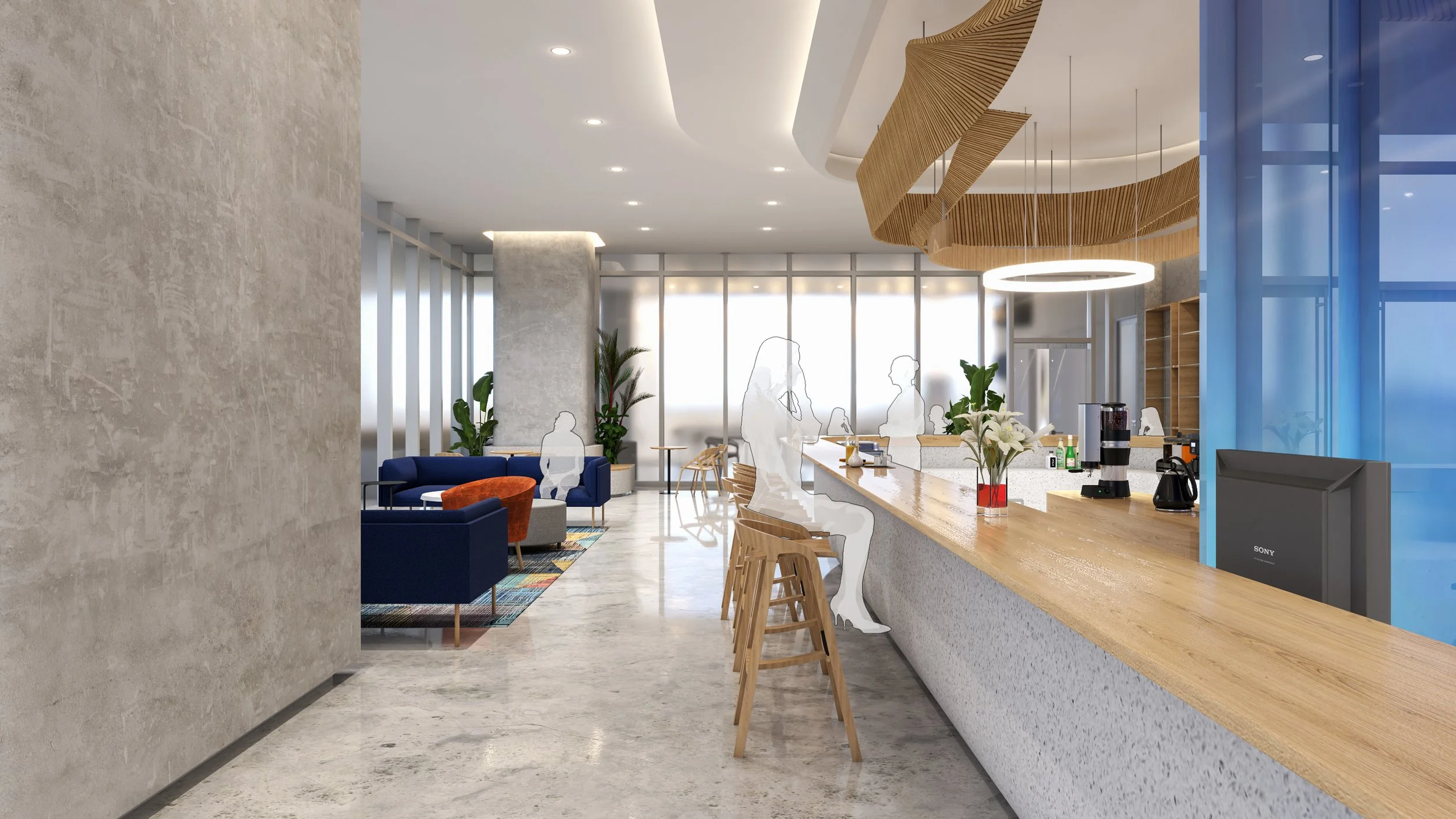
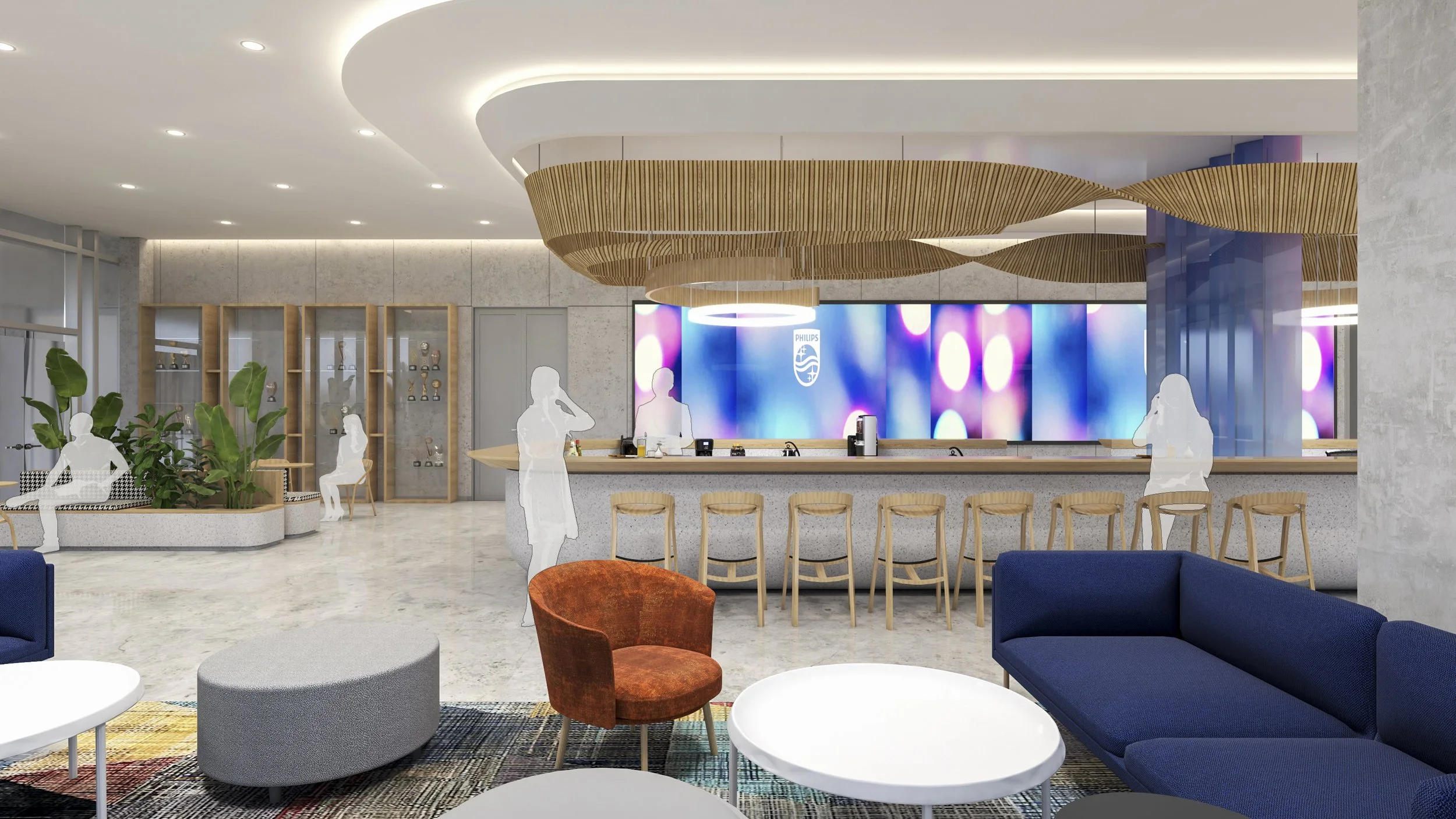
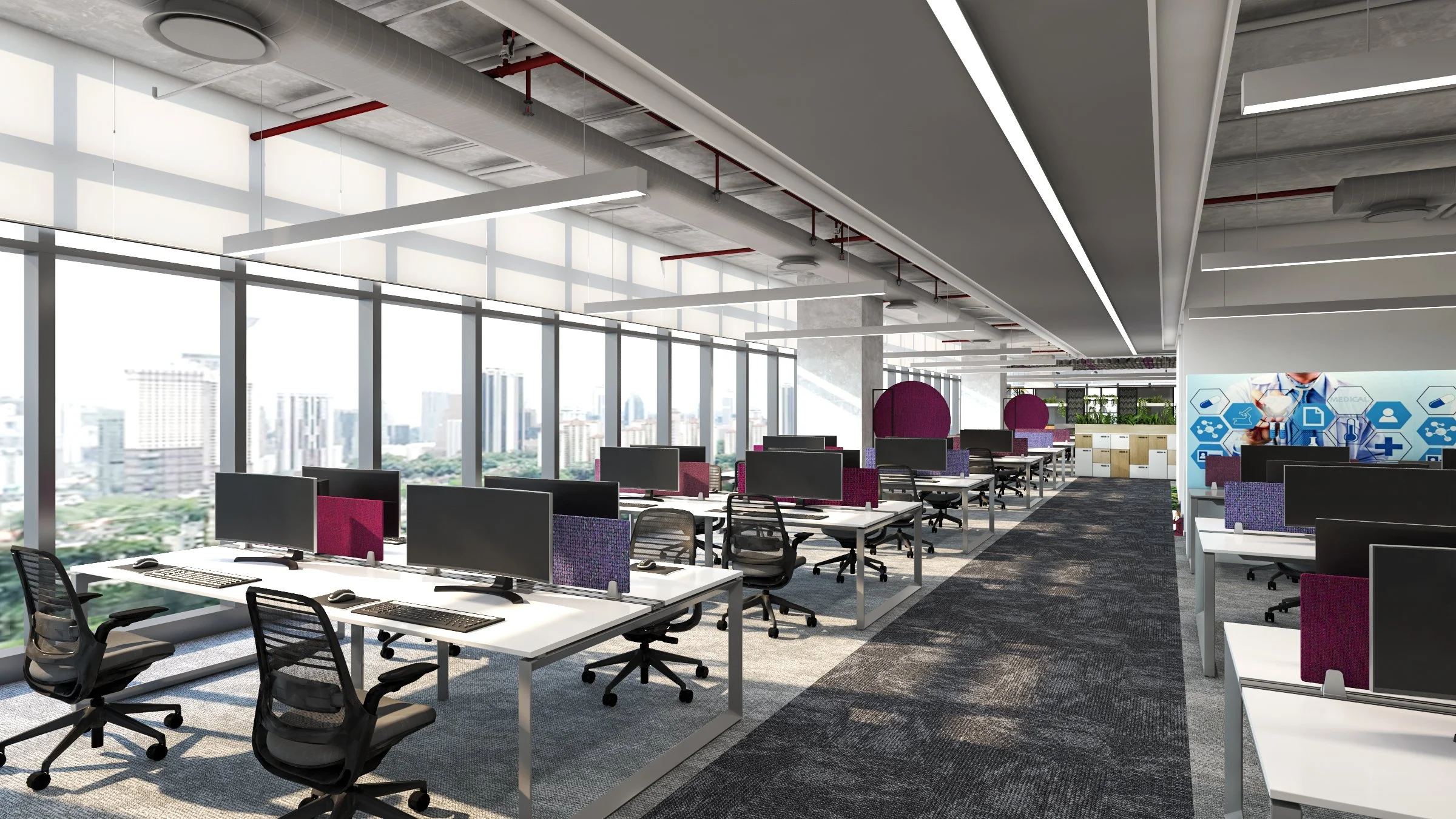
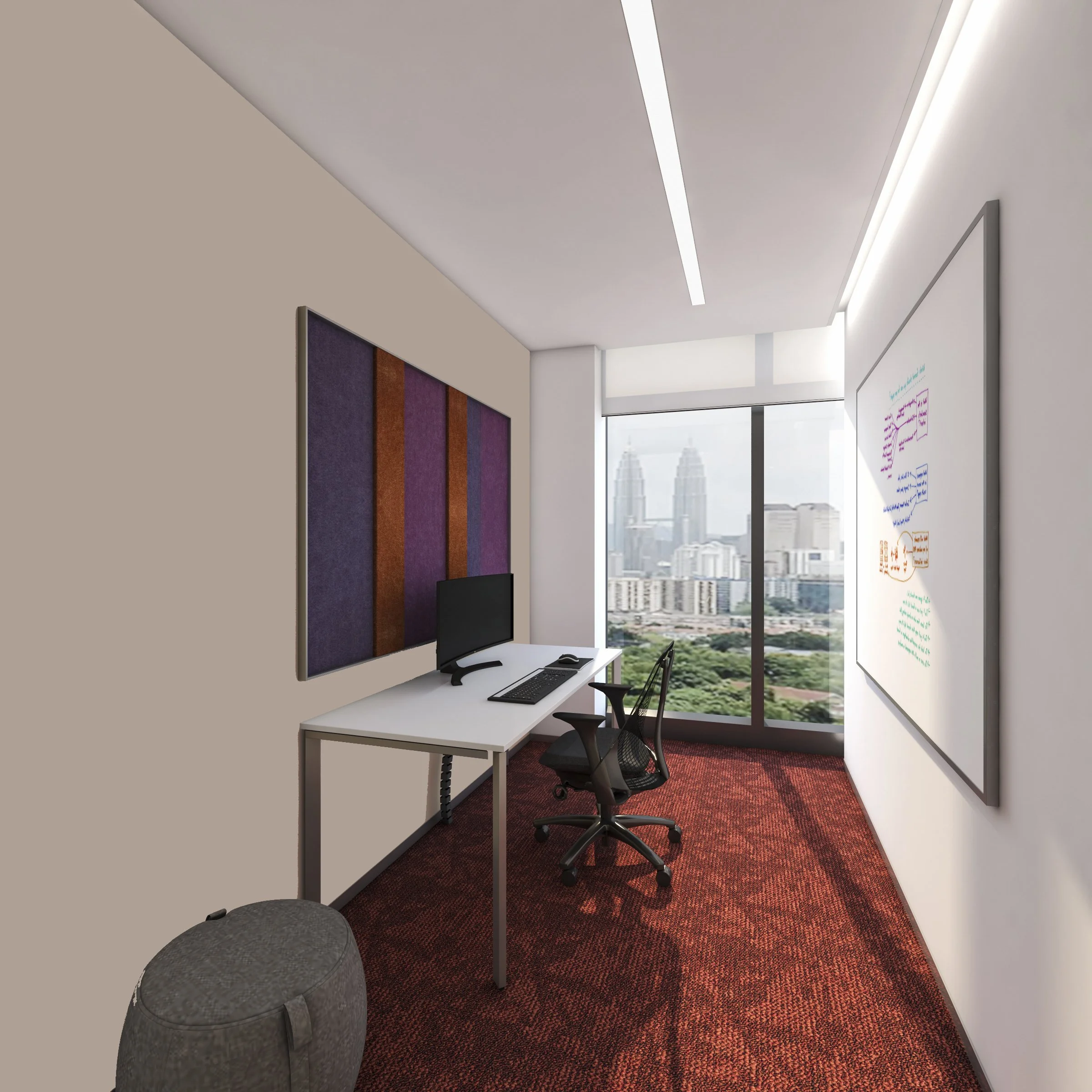
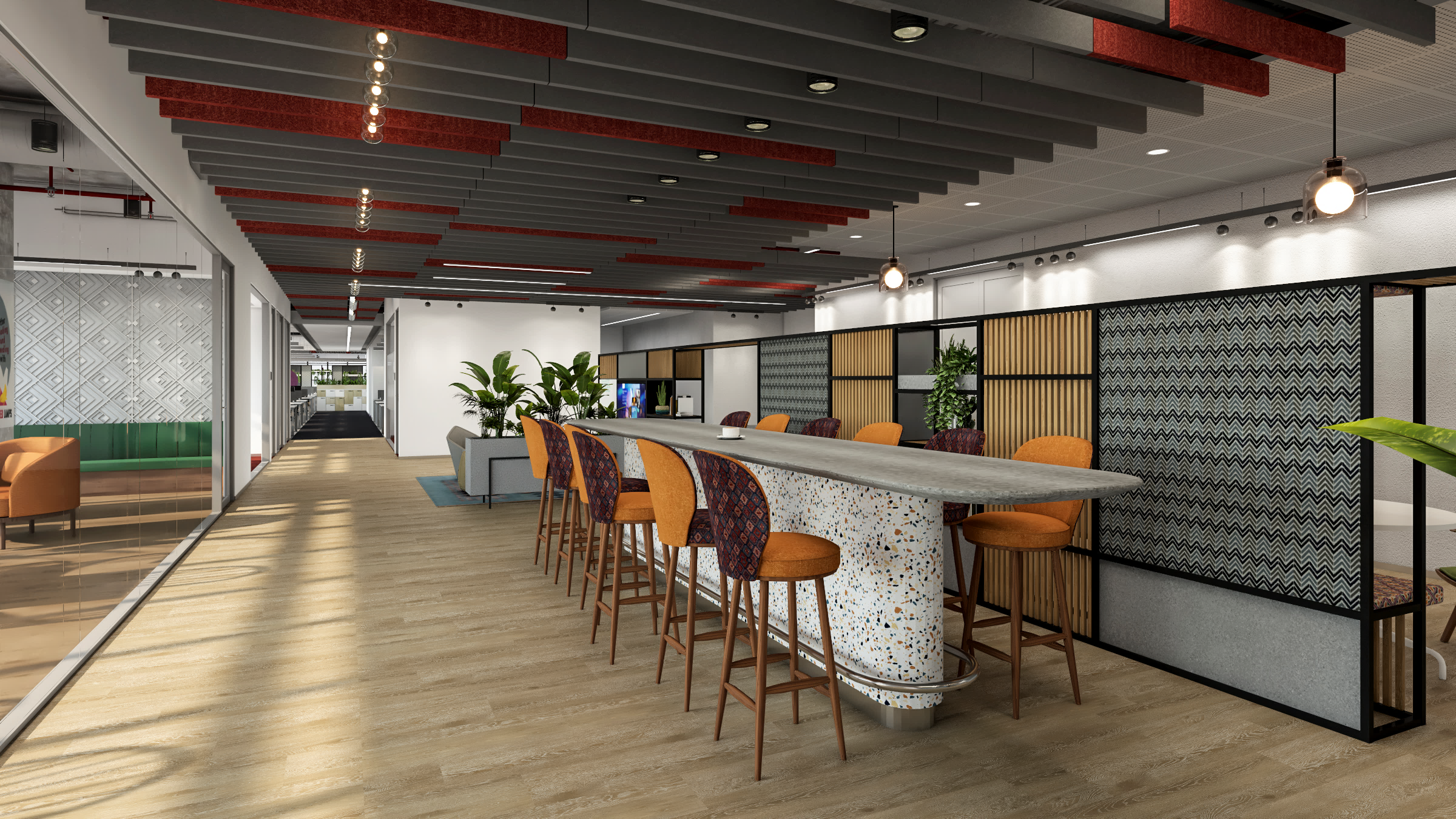
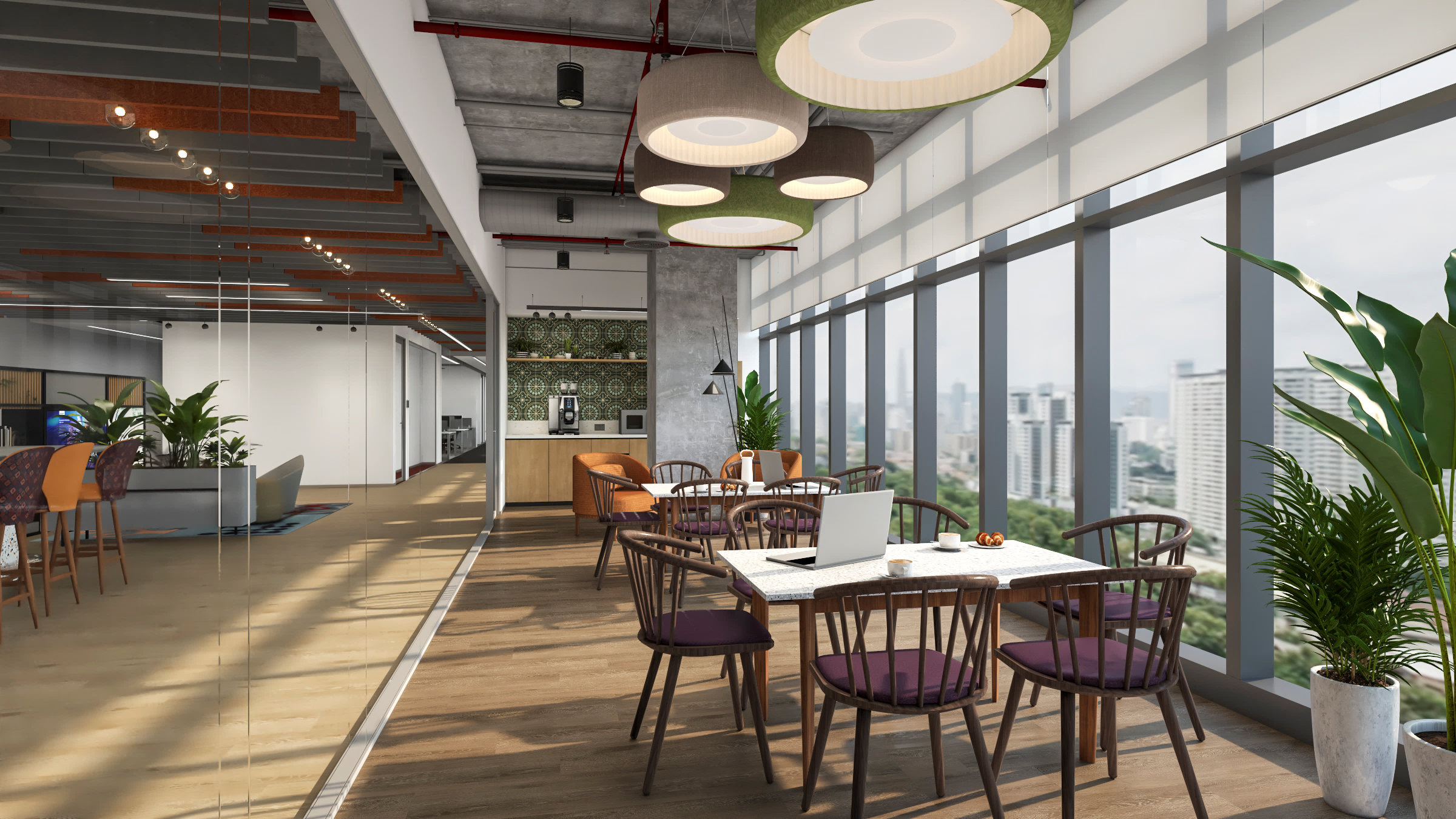
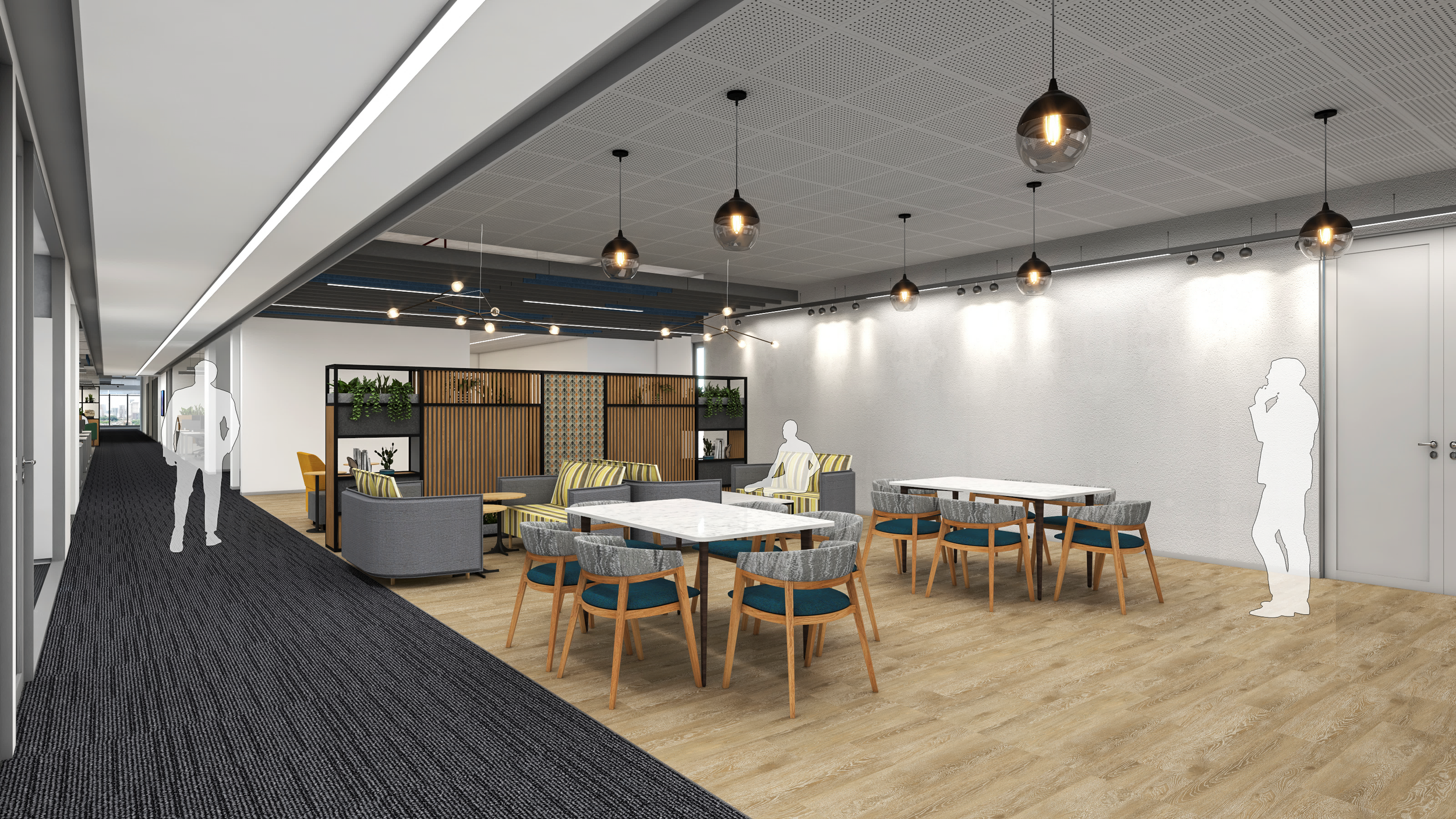
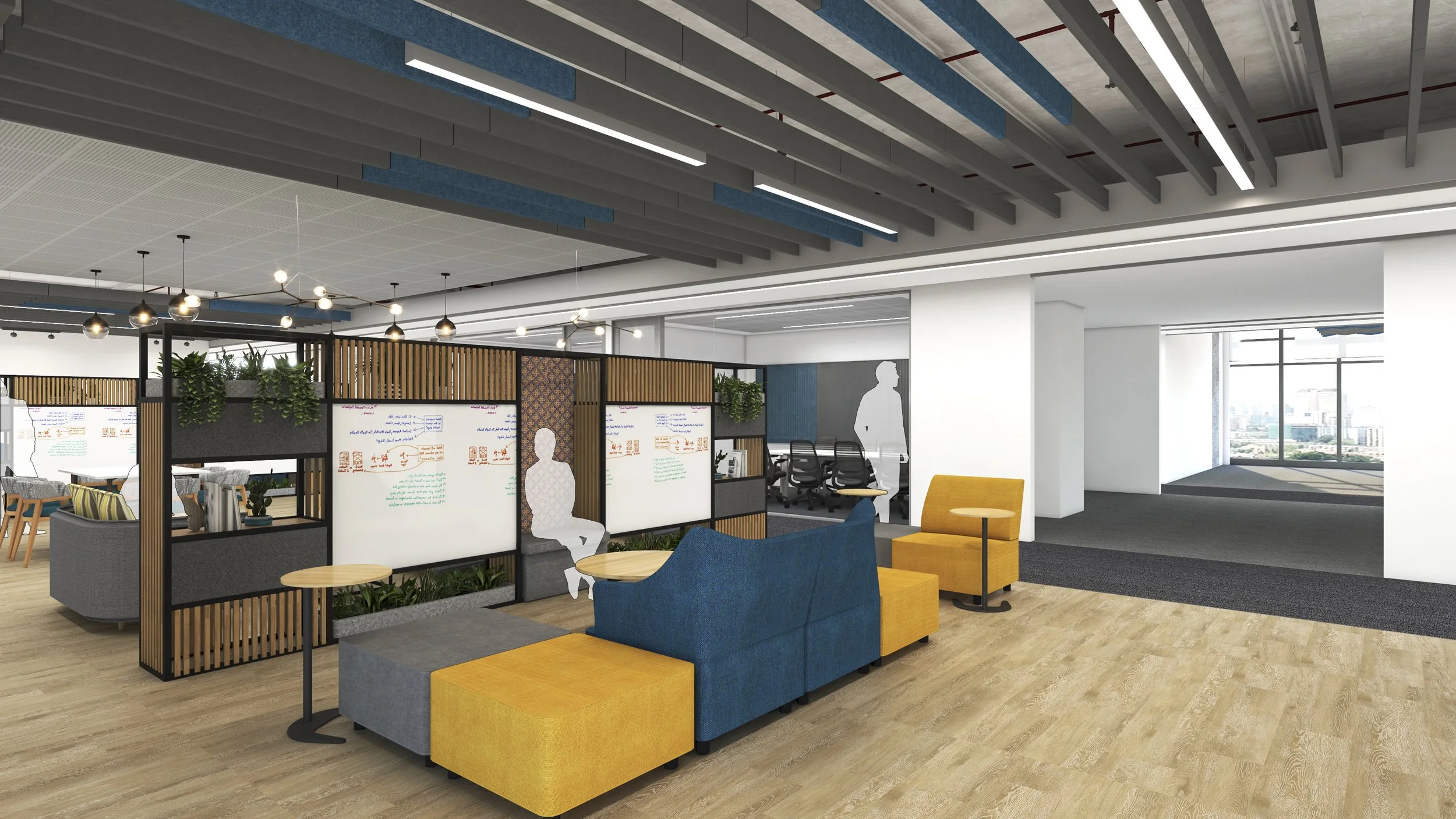
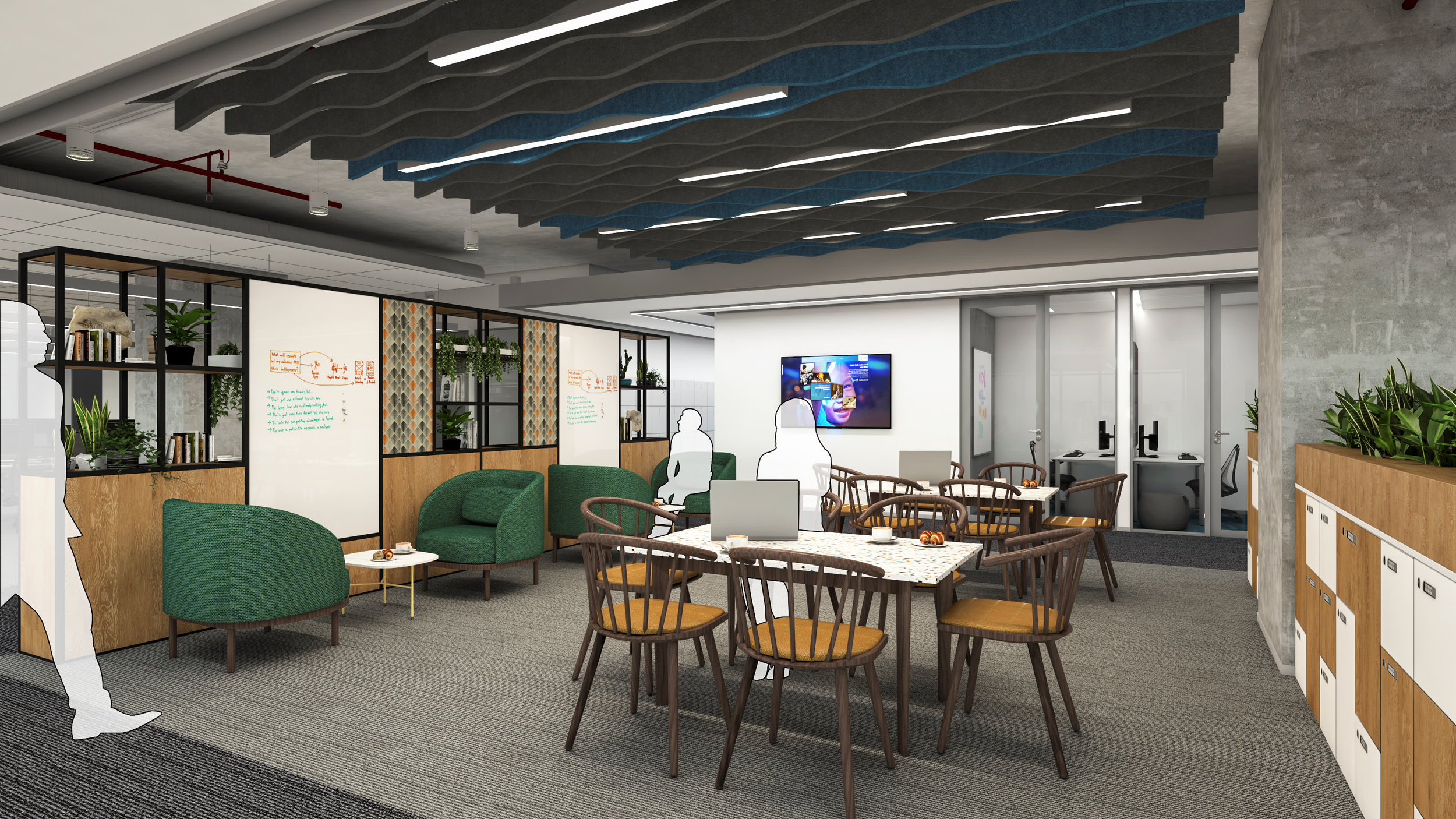
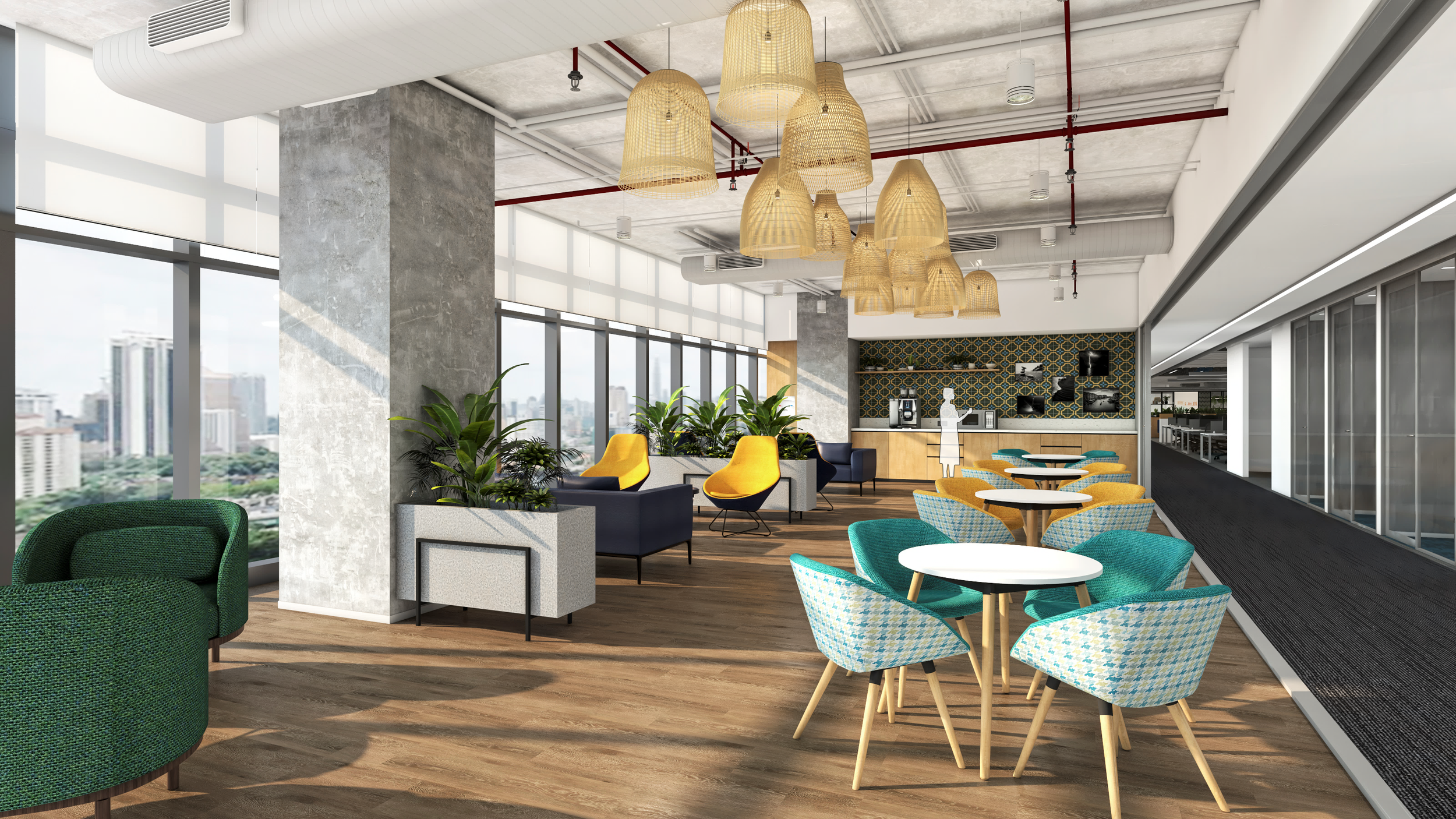
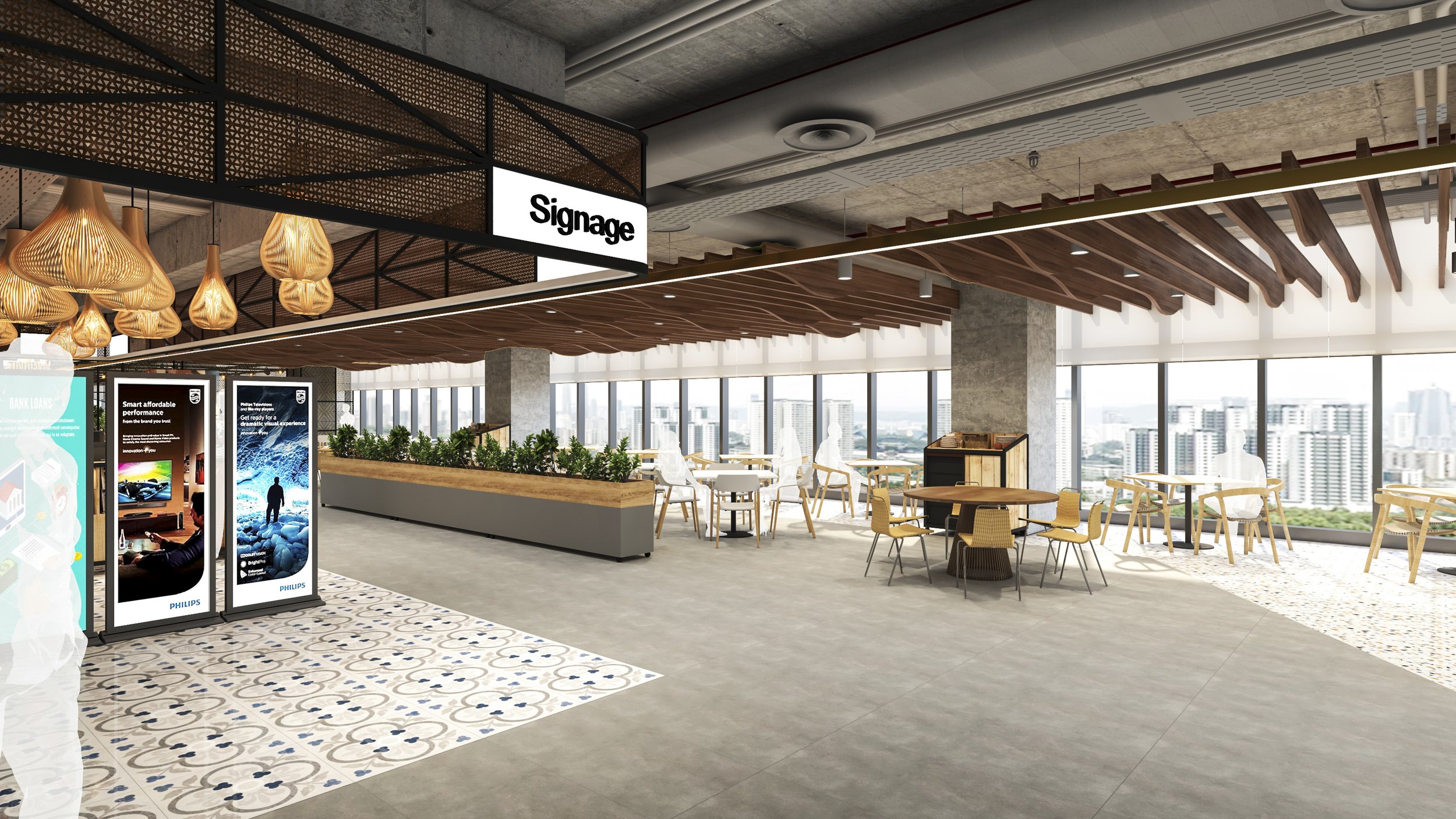
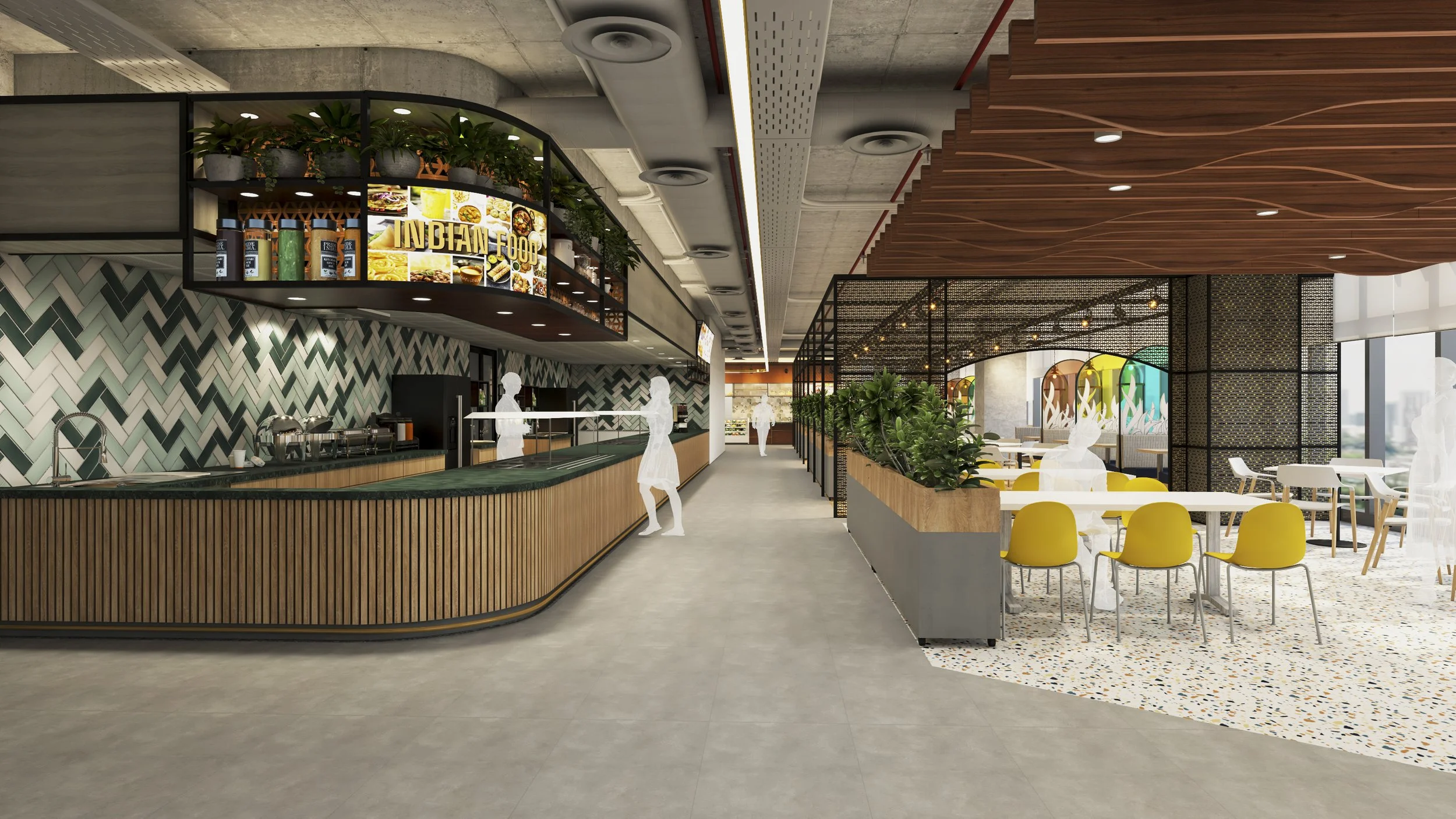
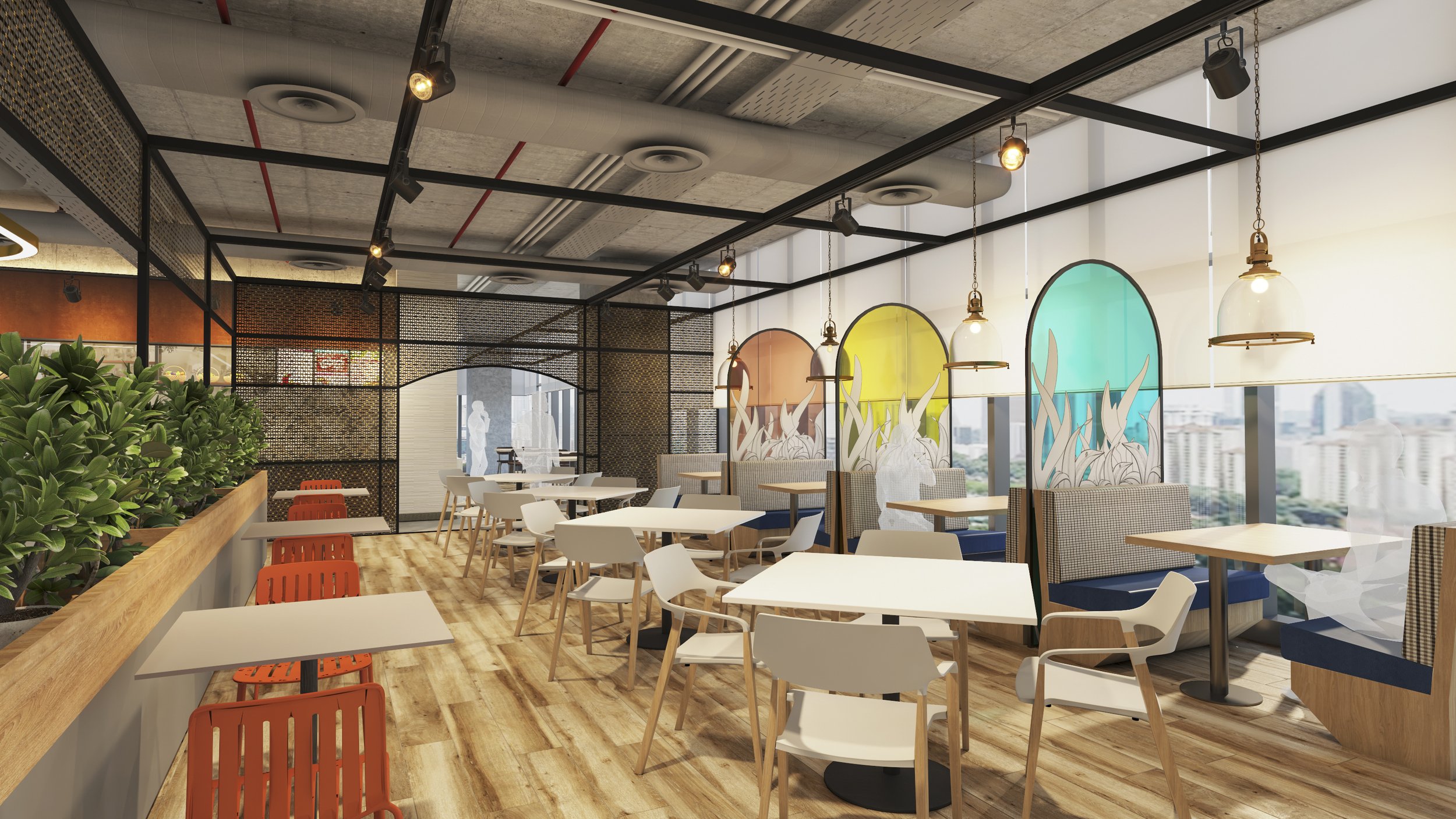
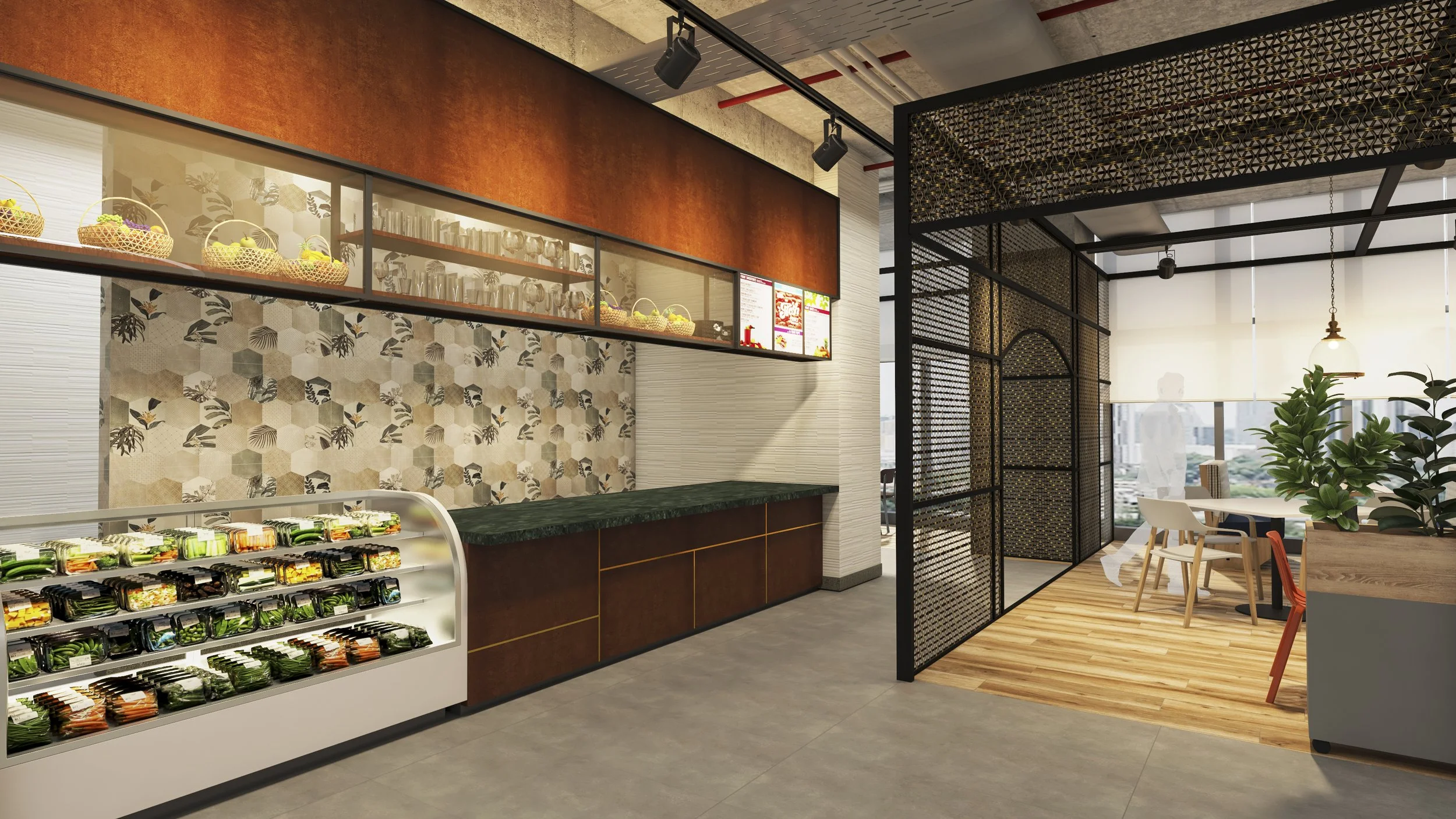
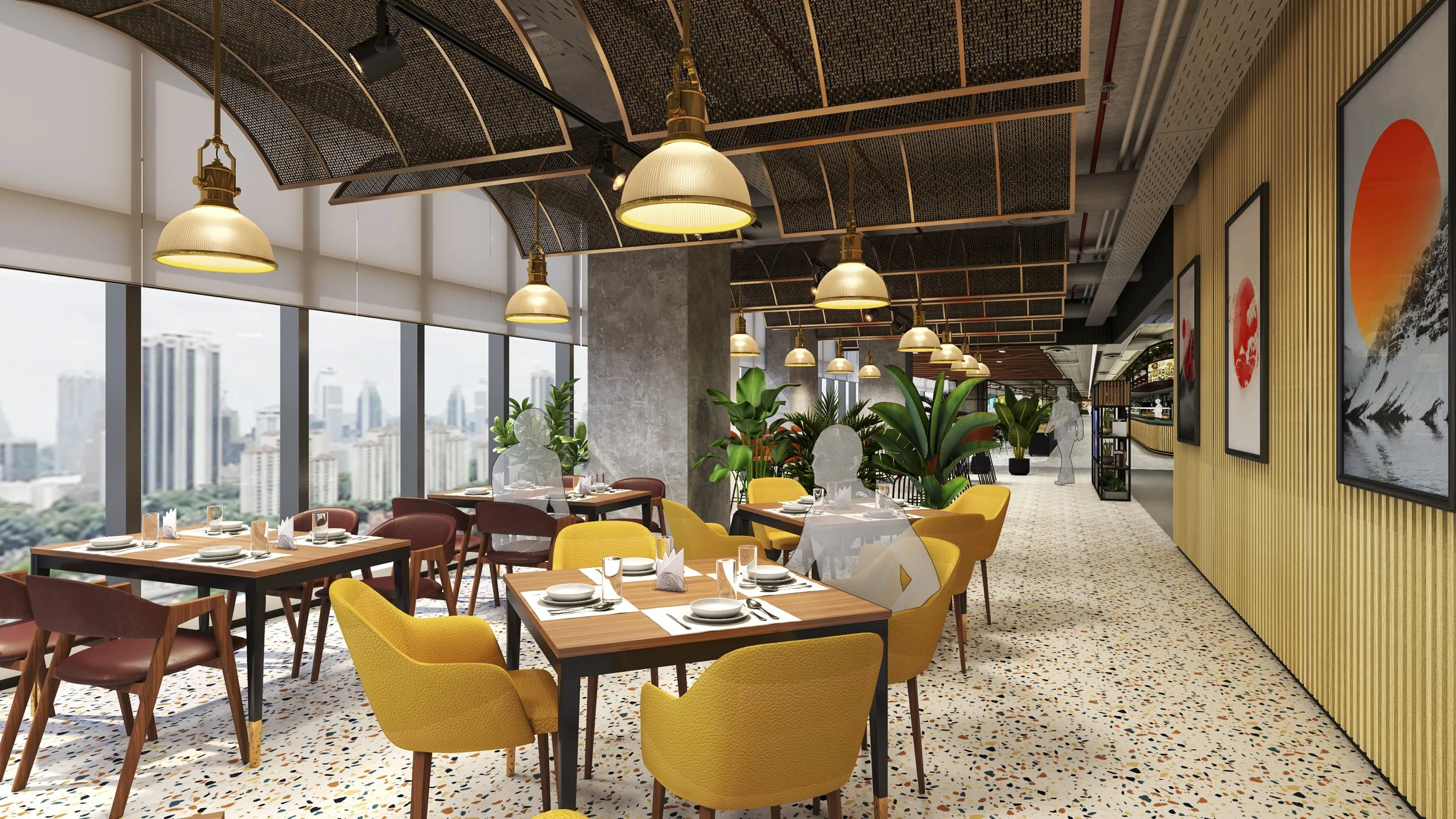
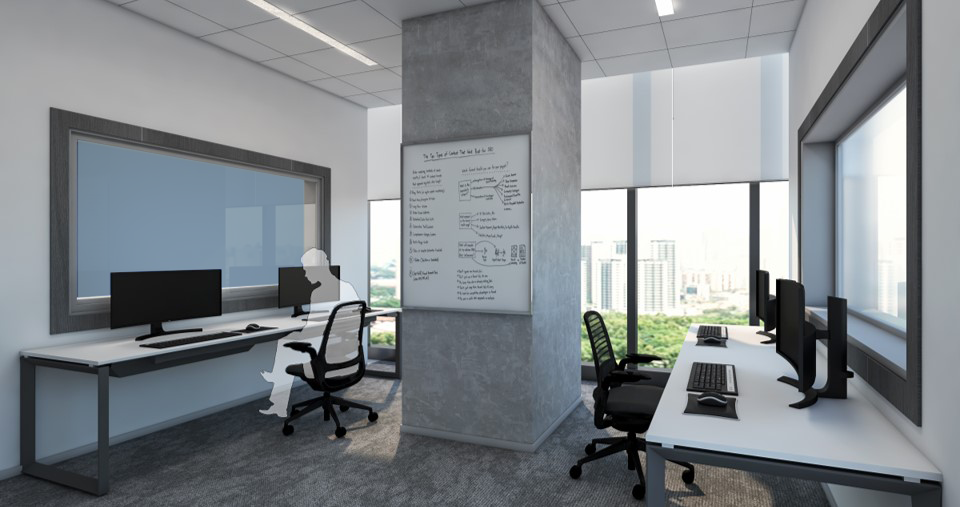
Future: Workspace designed for "what Philips India wants to be," shared ownership of space, employees assigned to a floor with lockers, greater mix of formal/informal/enclosed/open meeting spaces, work across the workspace, future-proof lab planning, destination Work-Cafe.
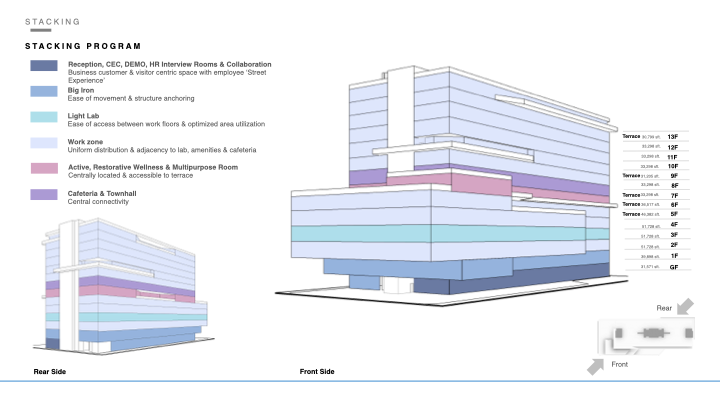
Philips initiated "PIC Project PRANA," a comprehensive change management project involving the relocation of approximately 5000 employees into a new 12-floor, 57,414 sqm facility at Embassy Business Hub in Yelahanka, Bengaluru. The project included:
Strategic Consolidation & Design: Designed a new campus based on the core principles of Connectedness, Balance, and Flow, moving from individual desk ownership to shared, flexible spaces with integrated amenities.
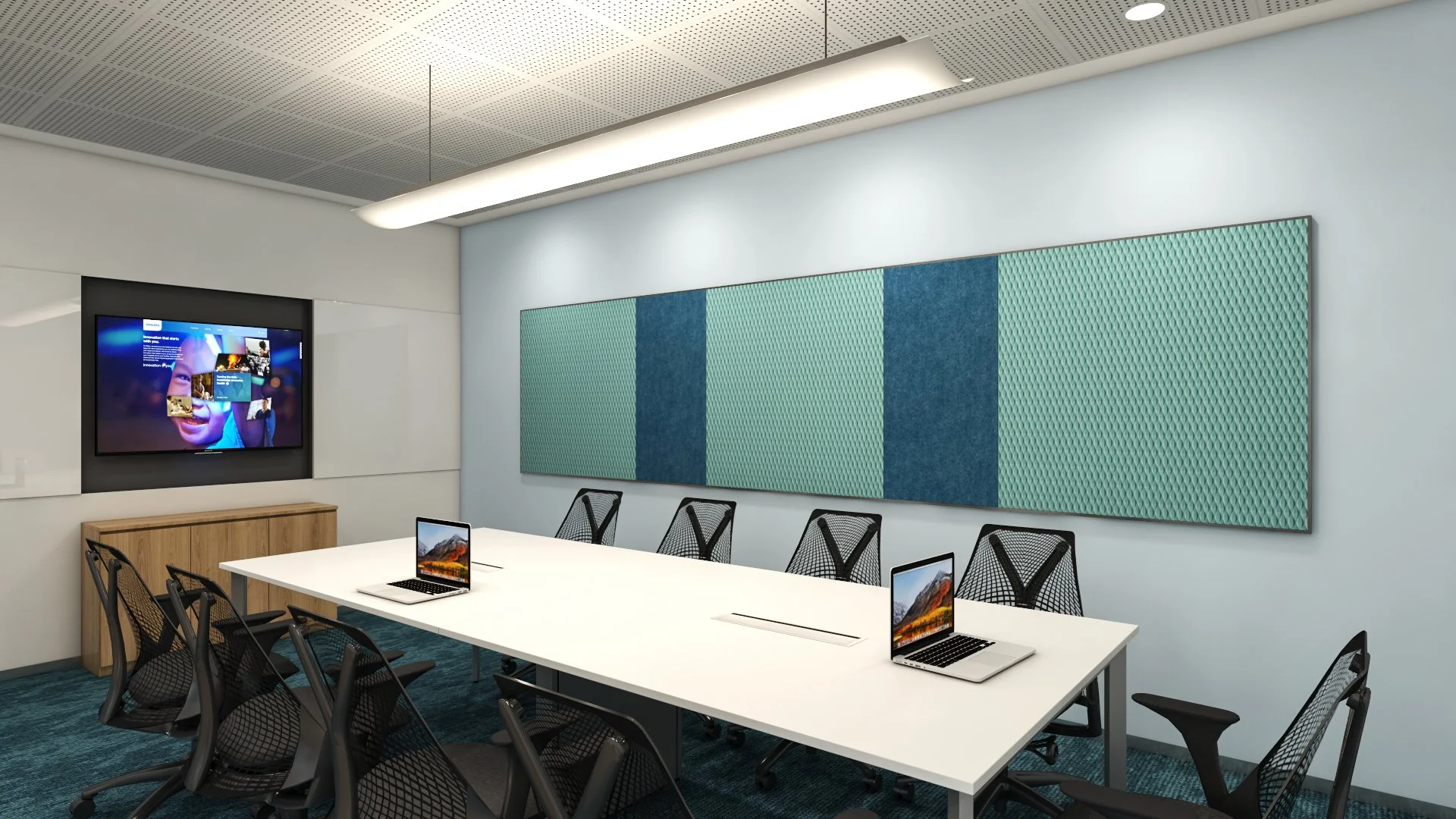
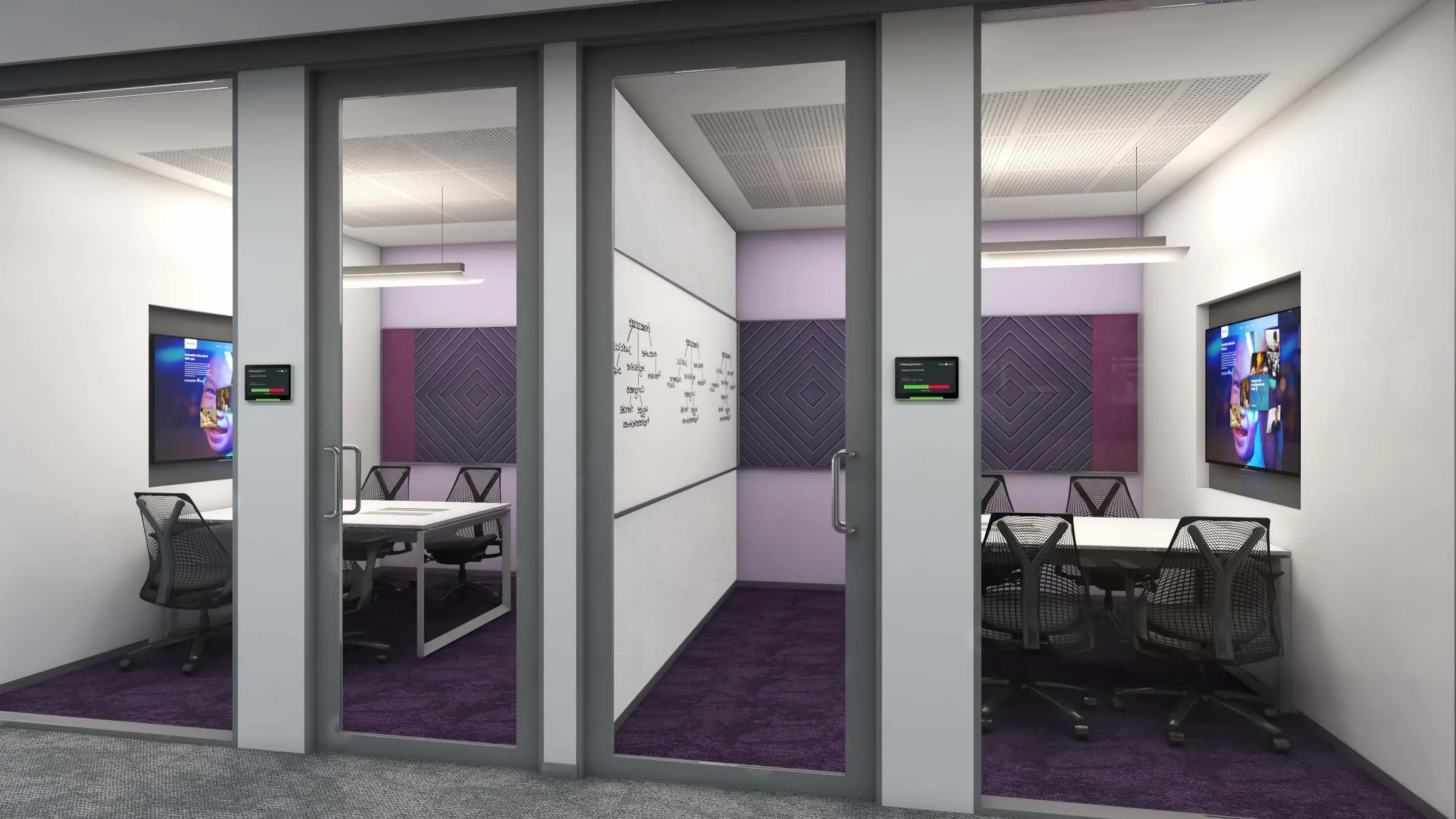
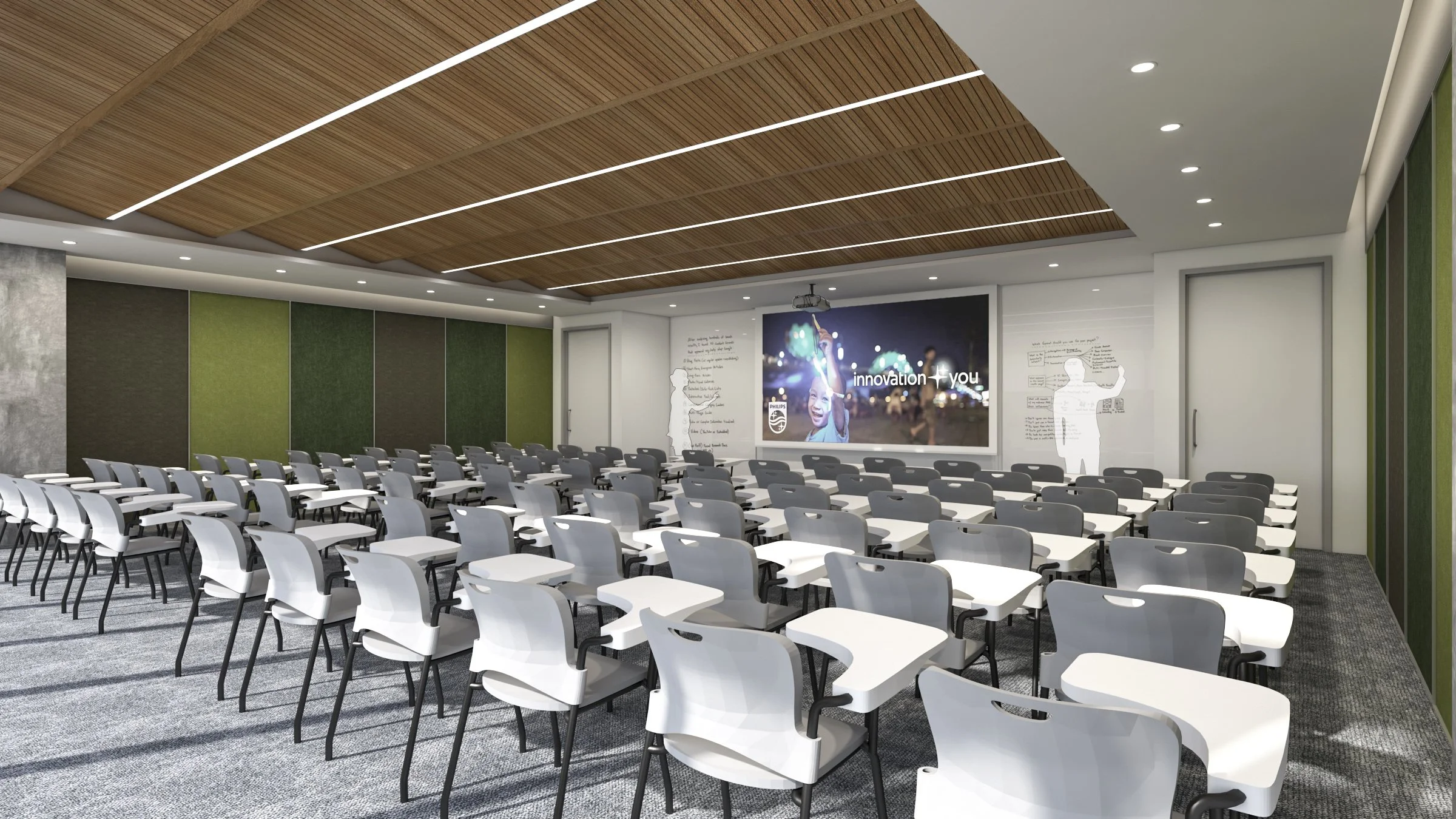
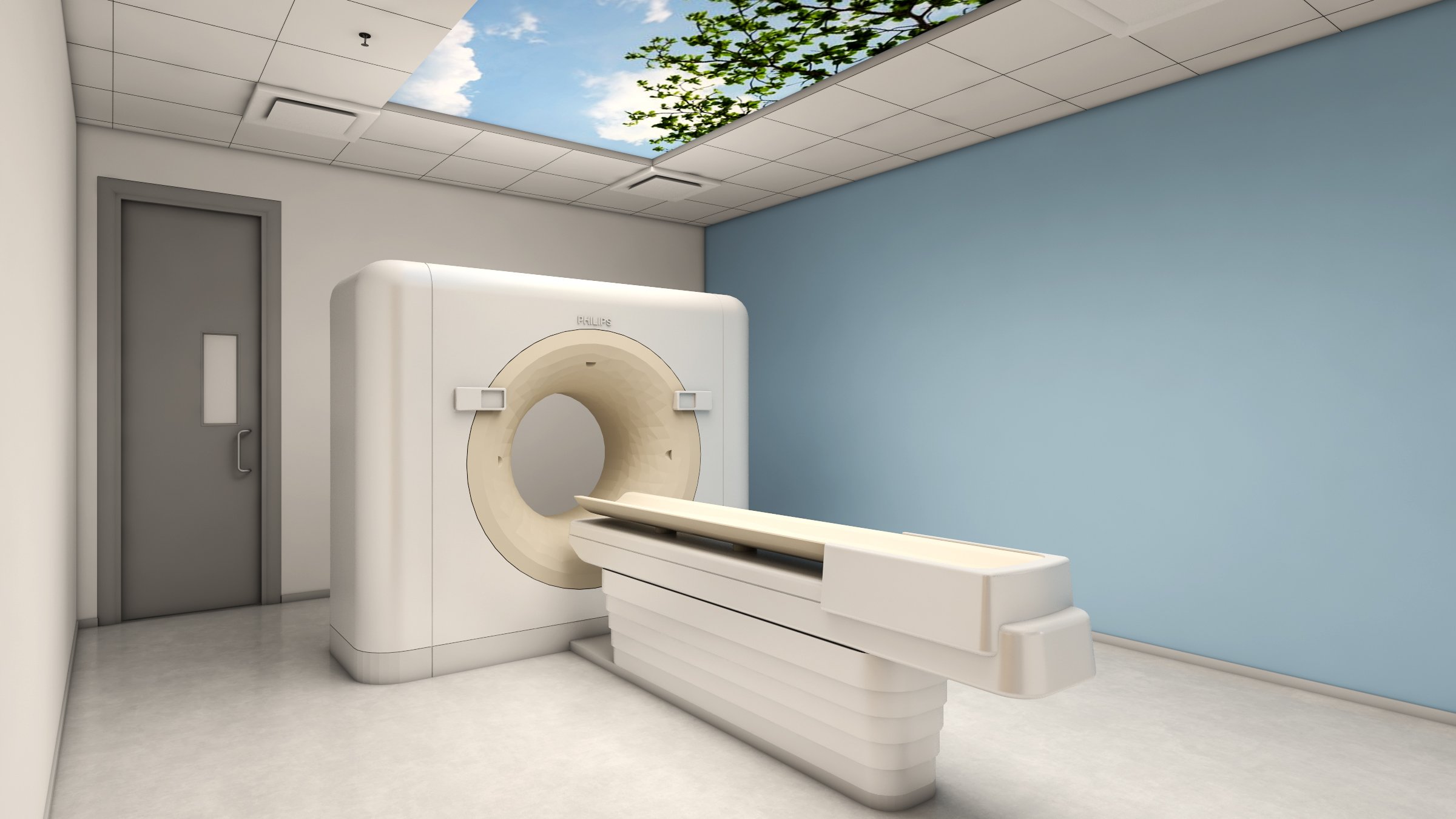
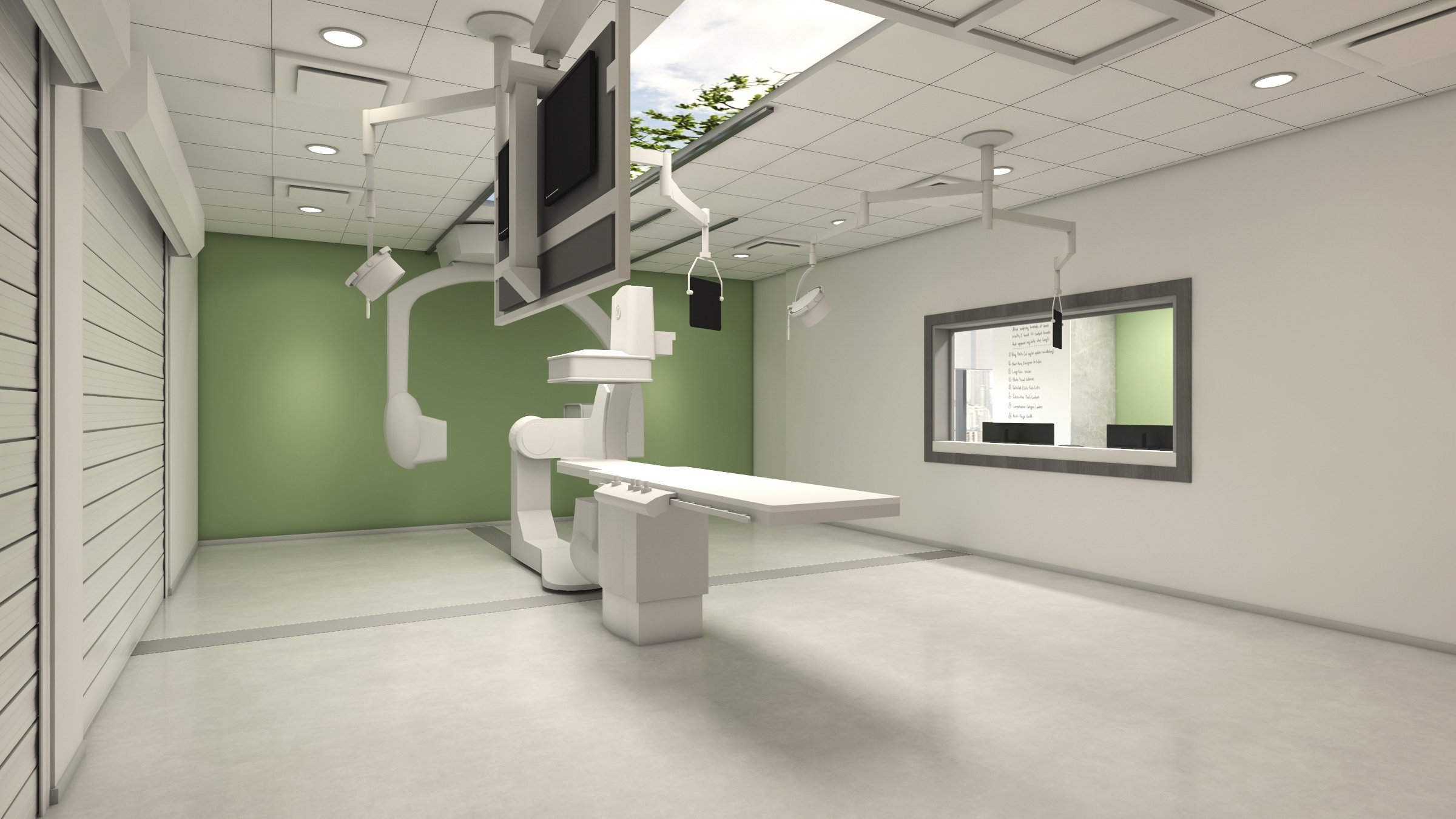
Implementation of WPI Standards: Incorporated global standards for workspace innovation, including diverse formal and informal meeting spaces, dedicated lab areas, and a destination Work-Cafe.
Comprehensive Change Management Program: A four-stage approach (Plan & Manage, Engage & Co-Create, Update & Prepare, Support & Evaluate) was deployed from 2019 through Q4 2023.
Extensive Stakeholder Engagement: Involved project teams, leadership, change champions, lab leads, and BU administrators through workshops, meetings, and co-creation activities.
Employee Communication & Preparation: Conducted employee pulse surveys, company townhalls, and a multi-channel communication plan (emails, microsite, social media, posters, FAQs) to inform and prepare employees for the transition.
Detailed Workplace Protocols: Established clear guidelines for various space types (e.g., open workstations, collaboration rooms, phone booths, cafeteria) covering usage, technology, and expected behaviors (e.g., clean desk policy, paper-free approach, hygiene standards) to ensure a smooth transition to the new, flexible environment.
Phased Move-in: Scheduled the employee relocation in two phases with on-ground support and orientation.
Outcome
Upon completion by Q3/Q4 2023, Project PRANA is expected to deliver:
A unified, state-of-the-art Philips Innovation Campus in Bengaluru, aligning with global workplace standards.
Enhanced employee collaboration and innovation through intelligently designed, flexible, and connected workspaces.
Successful integration of a hybrid work model, providing employees with greater autonomy and work-life balance.
A vibrant and engaging work environment that fosters a strong sense of community and purpose, reflecting Philips' mission.
An engaged workforce prepared for the new environment, understanding the benefits and protocols of the modernized campus.
Improved operational efficiency through consolidation and optimized space utilization.
A "paper-free" and hygienic workplace culture promoting employee well-being.
Ongoing evaluation through post-occupancy studies to continuously refine and improve the workplace experience.